


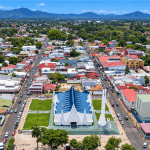


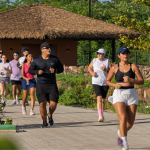
Imagine a city where the places we call home, the services we rely on, and the spaces where we relax and connect are all part of one thoughtfully designed vision. Discover how urban planning can shape everyday experiences and create new possibilities for future communities.
Cities are much more than buildings, streets, and commercial spaces. They’re where everyday life happens, where experiences are shared, routines take shape, and connections with others grow. But not every city develops in the same way.
Some evolve gradually, adding new neighborhoods, businesses, and services as their populations and needs change. Others begin with a comprehensive vision that guides how different urban spaces will be organized from the earliest stages. This is the idea behind a master-planned city.
It’s an approach to urban development that considers how homes, businesses, essential services, transportation, recreation, and natural areas can work together within a connected environment. Beyond architecture and infrastructure, master planning introduces an important question: How do we want to live, and how can our surroundings support that lifestyle?
1. A City That Begins with a Comprehensive Vision
A master-planned city is an urban development guided by a long-term plan that establishes a vision for how land will be used and different areas will relate to one another. Residential neighborhoods, commercial districts, schools, healthcare facilities, recreational spaces, parks, and essential infrastructure can all form part of this vision.
Rather than focusing exclusively on building homes, master planning considers how the different components of everyday life interact. For example, commercial areas may be positioned to serve nearby residential neighborhoods, while parks and recreational spaces can be designed to encourage outdoor activities and community interaction.
The goal is not simply to organize growth, but to create opportunities for different activities to coexist within one coordinated environment. This perspective places the needs of residents at the center of the planning process.

2. Beyond Housing: Creating Connected Everyday Experiences
Choosing where to live also means considering everything we need throughout the day. Going to work, shopping for groceries, exercising, taking children to activities, and spending time with friends and family are all part of everyday life.
When urban spaces develop without coordinated planning, distances and transportation can become significant challenges. Master-planned cities seek to address these considerations by organizing different land uses and creating connections between essential activities.
Mixed-use developments, for example, can bring together residential spaces, shops, offices, and recreational facilities within connected districts. When thoughtfully designed and successfully implemented, these environments can improve access to certain services and create more opportunities to enjoy everyday activities. In this sense, urban planning is about more than physical spaces. It’s also about the convenience and experiences of the people who use them.
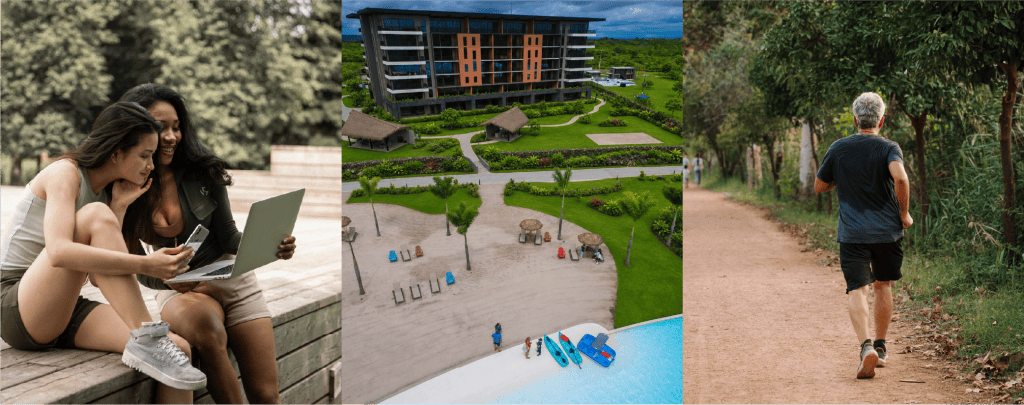
3. Bringing Nature and Well-Being Into Urban Life
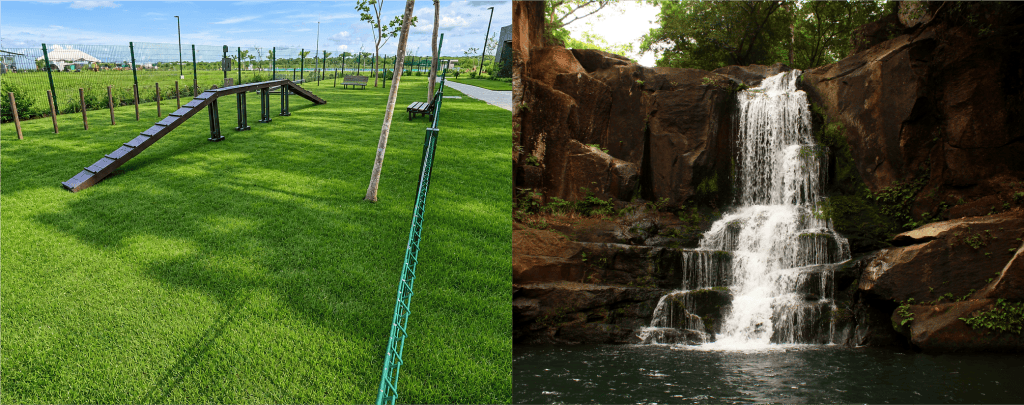
One of the challenges facing modern cities is balancing infrastructure development with access to natural spaces. Parks, gardens, walking trails, and green areas play an important role in achieving that balance.
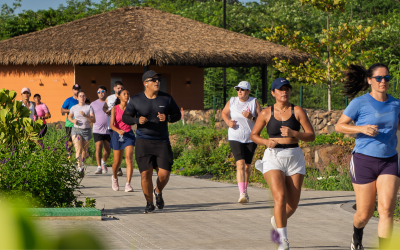
Beyond their visual appeal, these spaces can provide opportunities for exercise, recreation, relaxation, and social interaction. Within a master-planned city, natural areas can be considered from the earliest design stages rather than treated as an afterthought.
Planning may also address water management, essential utility networks, mobility, and the responsible use of resources. The goal is to create an environment where developed areas and open spaces can complement one another, supporting more enjoyable urban experiences and a stronger connection with nature.
4. The Importance of Creating Spaces for Community
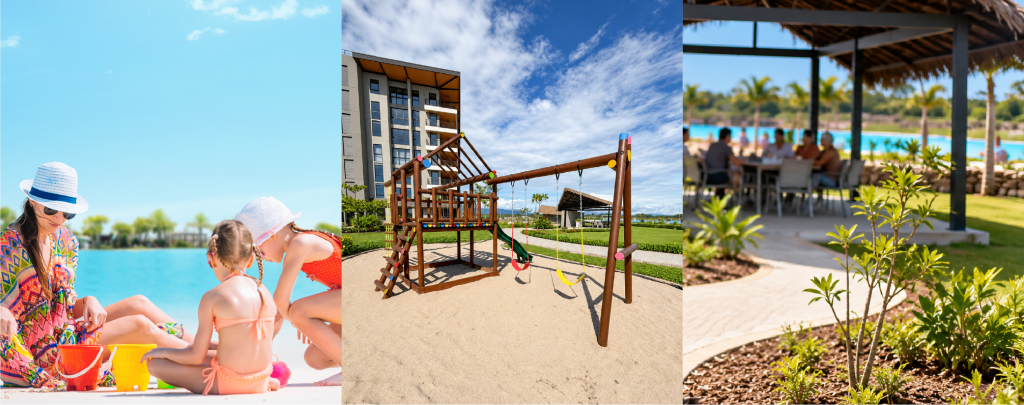
A city doesn’t truly come to life simply because its buildings are completed. It comes to life when people begin using its spaces, sharing experiences, and building relationships with those around them. That’s why gathering places are an important part of urban design.
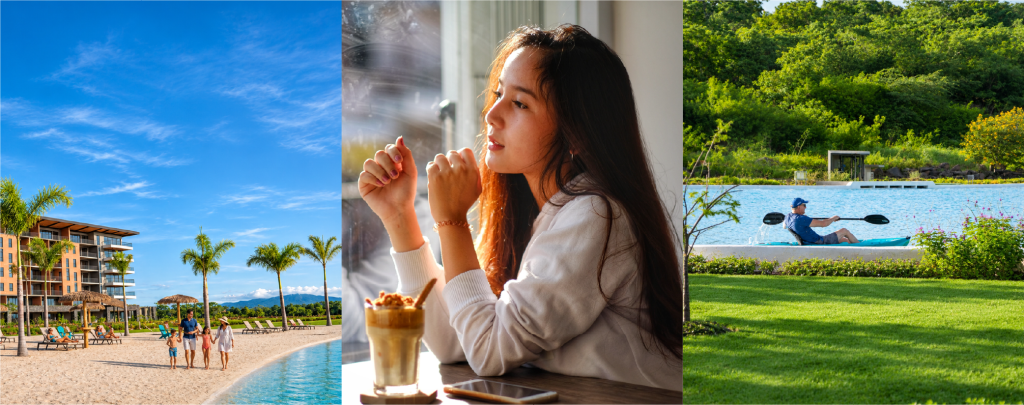
Parks, sports facilities, plazas, recreational areas, and shared spaces can become settings for community activities, family gatherings, and memorable experiences. Master planning makes it possible to consider where these spaces belong and how they connect with residential neighborhoods.
However, a sense of community also depends on participation, relationships, and opportunities for people to engage with their surroundings. Infrastructure creates places for people to come together. It’s the people themselves who bring those spaces to life.
5. Planning Today with Future Generations in Mind
Urban development unfolds over years and often decades. That’s why a master-planned city must consider not only the needs of its first residents, but also how infrastructure, services, and urban spaces may need to evolve over time.
This involves thinking about utility networks, mobility, commercial areas, recreation, and future phases of development. Planning cannot eliminate every challenge associated with growth, but it can establish a long-term vision and provide a framework for more coordinated decisions.
It also creates opportunities to introduce new solutions as technology advances and residents’ needs change. A city designed for the future isn’t defined solely by its architecture or infrastructure. It’s also shaped by its ability to adapt, evolve, and continue serving the people who call it home.

6. Ciudad Nya: A Master-Planned Vision Taking Shape in Guanacaste
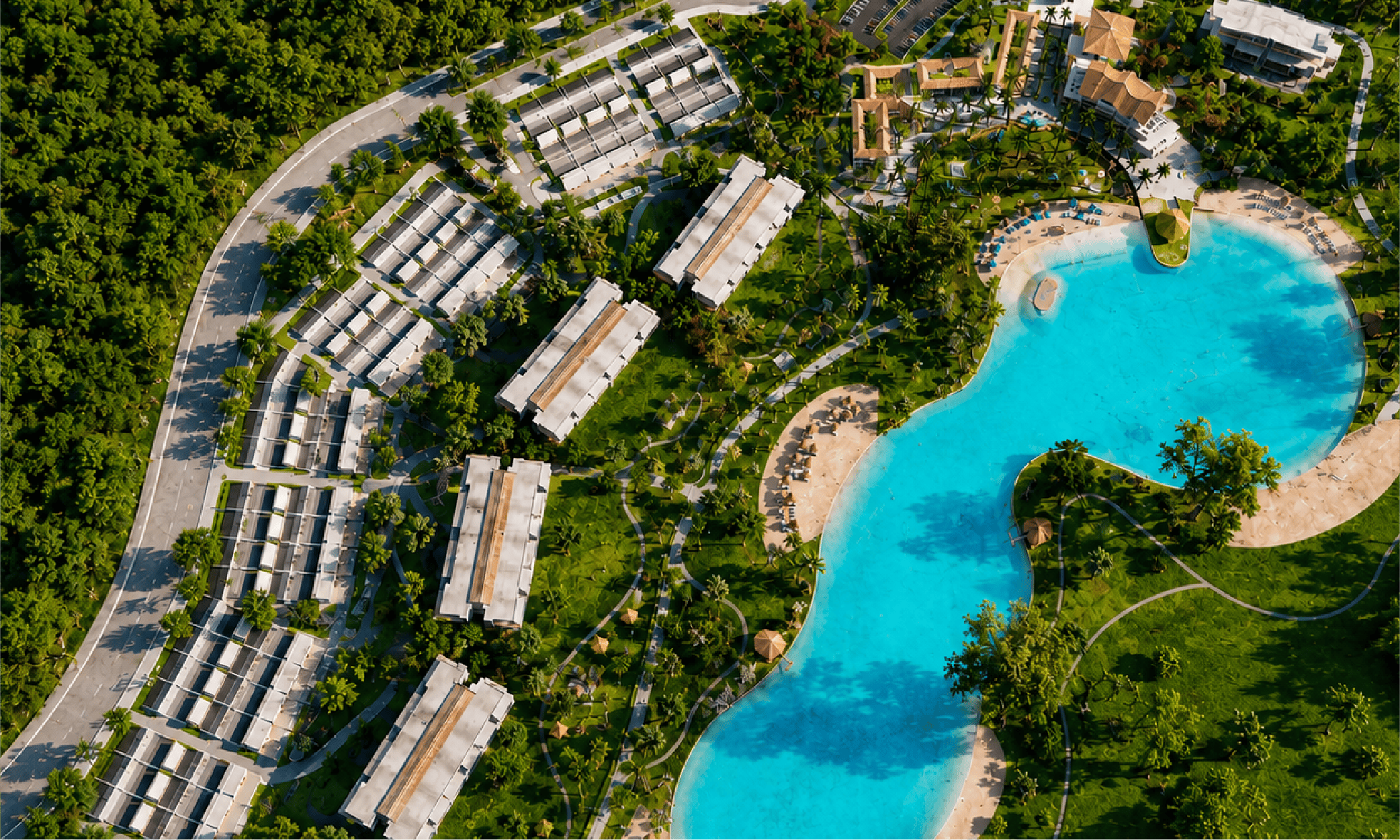
In Liberia, Guanacaste, this approach to urban development is central to the vision behind Ciudad Nya. Spanning approximately 900 hectares, its master plan envisions the phased integration of residential, commercial, educational, healthcare, recreational, and wellness spaces. The development is designed around the idea that different activities and services can complement one another within a coordinated urban environment.
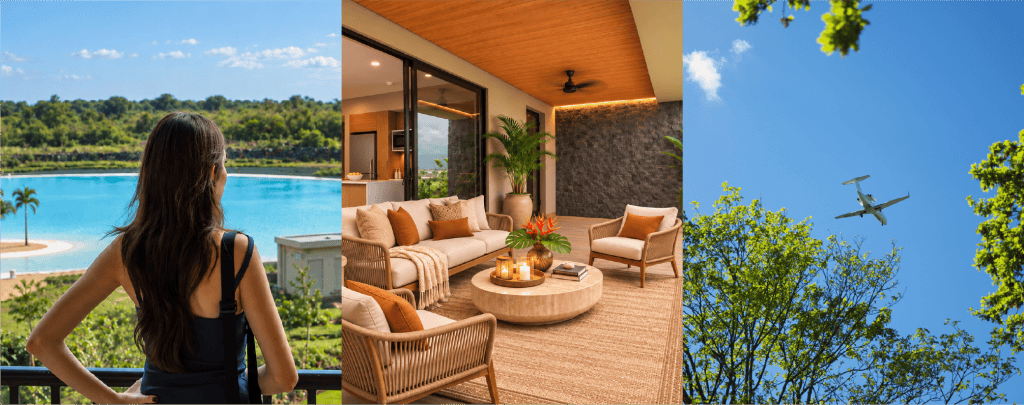
Location is also an important part of this vision. Situated just minutes from Guanacaste International Airport and connected to Liberia’s essential services, Ciudad Nya is taking shape in a region known for its natural attractions, development opportunities, and rich cultural identity.
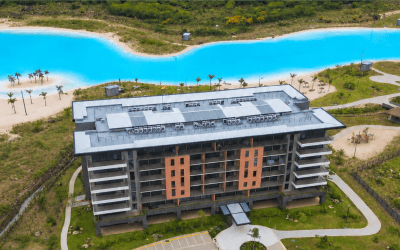
Its initial residential phase already includes Torre Miravalles, offering move-in-ready apartments and recreational amenities, including a crystal-clear lagoon featuring Crystal Lagoons® technology. As the development progresses, its master plan envisions additional urban components that will expand the possibilities for living, working, and enjoying everyday experiences within the community. This long-term approach reflects a broader vision of urban living, where thoughtful planning, natural surroundings, and human connection come together.
A New Way to Think About Where We Live
Choosing a home is about more than finding a property with the right features. It’s also about considering the surrounding environment, access to essential services, opportunities for recreation, and the experiences a community can offer.
Master-planned cities encourage us to look at these elements from a broader perspective, considering how each space can contribute to a more complete everyday experience. Their value lies not only in the design of buildings, but also in the opportunity to create environments where people can develop their routines, build relationships, and envision their future.
Because the cities of tomorrow begin with more than new construction. They begin with a vision for how we want to live. And at Ciudad Nya, that vision is already taking shape in Guanacaste.
 English
 Spanish